Plants and Trees (planted over the last 4 years)
On the Ground Delivery [2019-2024]
The KCRC 1BT Kick Start Programme was launched in 2019 as a partnership between King Country River Care Incorporated (KCRC) and Te Uru Rākau – New Zealand Forest Service’s One Billion Trees (1BT) programme. The initiative was designed to support landowners across our catchment in implementing targeted riparian planting, restoration, and erosion control projects identified through their Farm Environment Plans (FEPs).
The programme provided funding to cover the cost of fencing and planting, with landowners required to complete a certain amount of planting to access funding. Funding was capped relative to the total hectares of their farm included in their Farm Plan. Project design, including site selection, plant species, and fencing types, was led by landowners, ensuring local relevance and long-term project ownership. Landowners were responsible for the site preparation, pest control and follow-up care post planting.
1BT "KCRC Kick Start" Programme
[2019-2024]
To access funding, participating landowners were required to have a current Farm Environment Plan, including mapped Land Management Units (LMUs), resource inventories, risk assessments, and action plans. Projects were expected to meet a minimum 80% plant survival rate and adhere to legislative requirements such as 3m riparian fencing setbacks, fencing was to be permanent.
Despite early delays and the impact of COVID-19, the programme extended into a fourth planting season in 2024. The revised target of 250,000 plants was surpassed.
PROJECT: 1BT "KCRC Kick Start" Programme
[2019-2024]
Key project achievements (2020–2024):
99 participating farm businesses
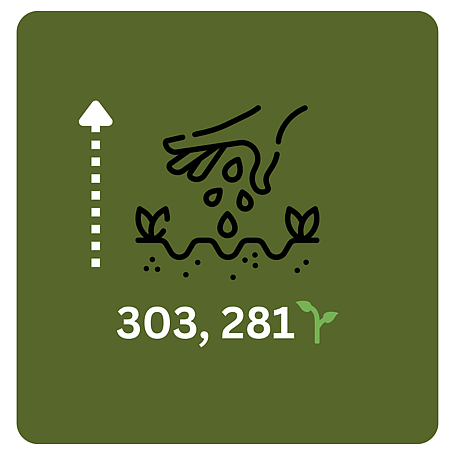
300,000+ trees and plants established
231 hectares planted, including 163.2 hectares of riparian
100 hectares of native bush retired or reverted
184 km of fencing completed
1BT "KCRC Kick Start" Programme
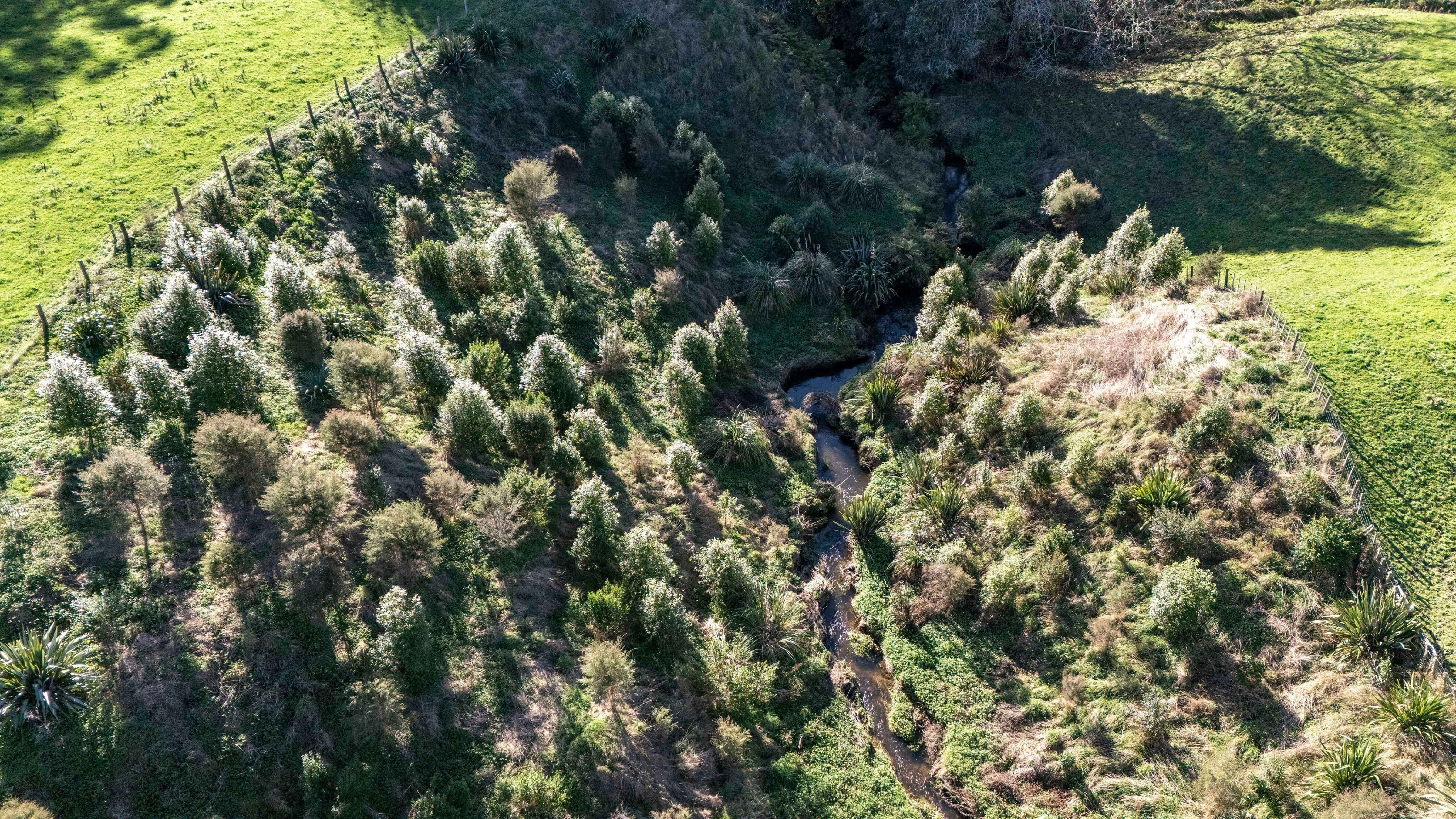
Surpassing our targets reflects the dedication of our farming community and reinforces our shared commitment to sustainable land management and environmental stewardship in the King Country.
[2019-2024]
Thank you
KCRC gratefully acknowledges the support of Te Uru Rākau and the leadership of KCRC Project Manager Anna Nelson, whose commitment was central to the programme’s success.
1BT "KCRC Kick Start" Programme
Pilot Project [2023-2024]
King Country River Care (KCRC) are helping their farmers better understand the concept of achieving/creating “carbon neutral” farm operations with the use of “pilot farms” from within the KCRC catchment.
Project Background:
1. Use three real farmers in our area to investigate:
Where they are now.
Will any policy changes, they are thinking about, get them to a carbon neutral position?
If relevant what else might need to be considered?
Dairy and sheep/beef.
Breeding cows.
Hill country.
Our next generation.
Exploring "Carbon Neutral"
Dairy
Piopio.
Self contained dairy operation
Sheep and Beef System 01.
Oparau.
Pasture and Bush.
Sheep and Beef System 02.
Piopio.
Pasture & Bush
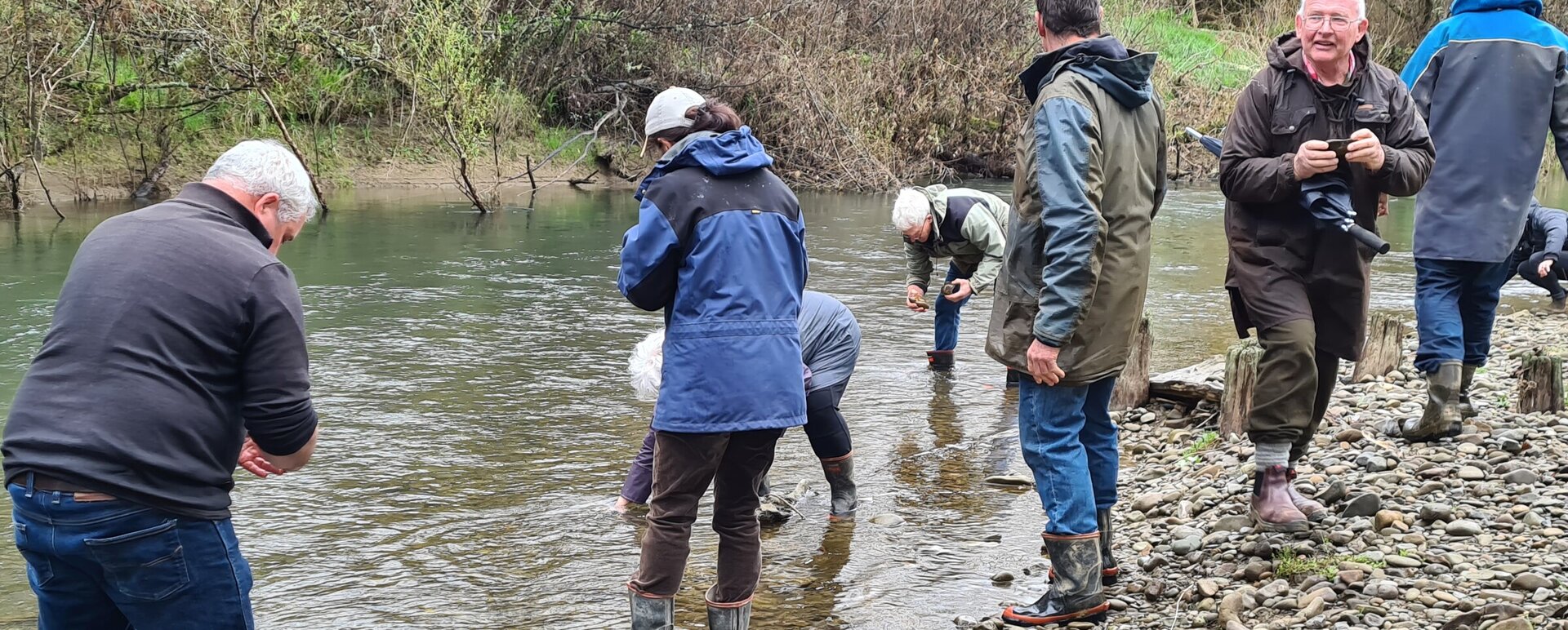
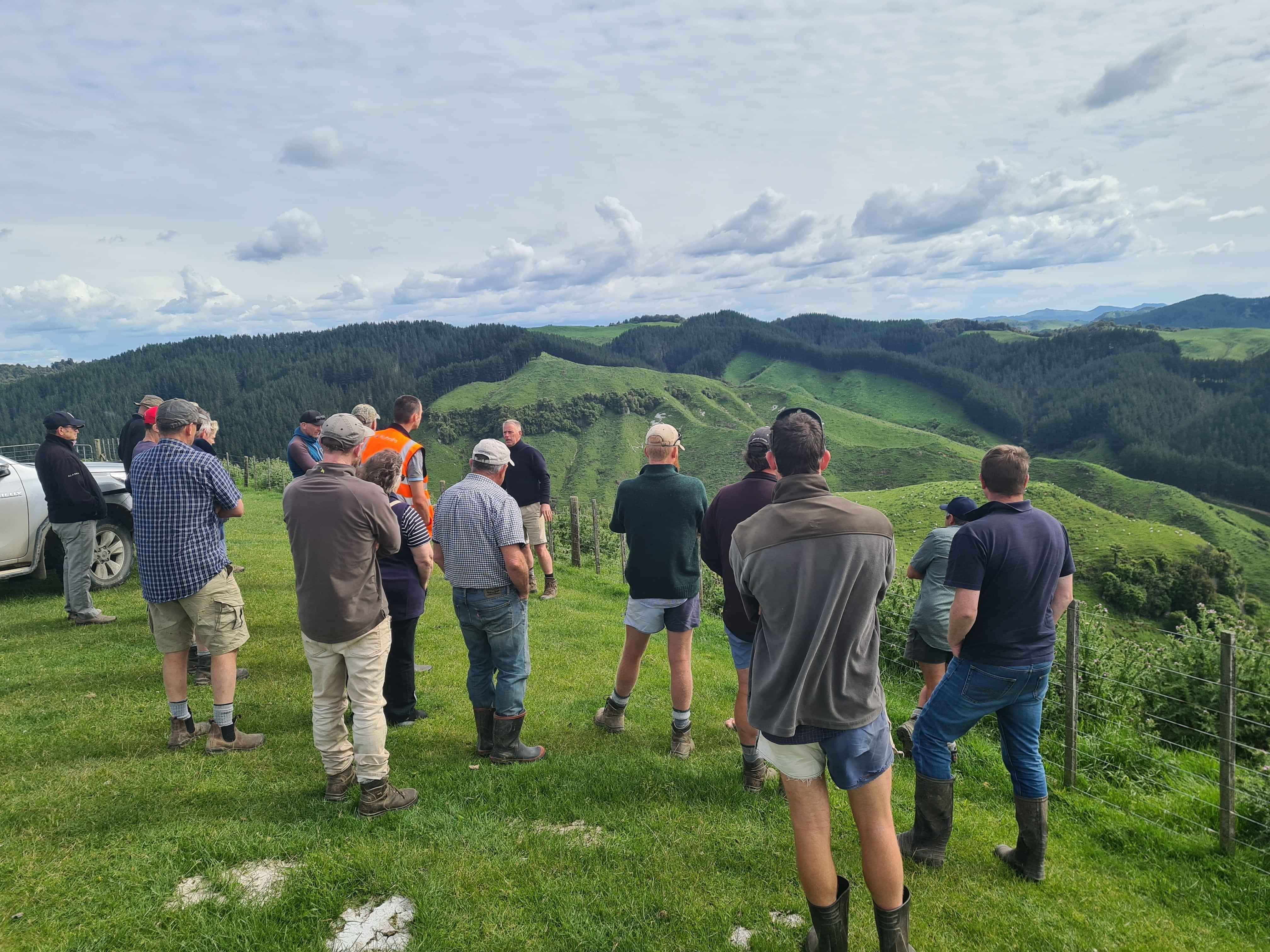
The on-farm field days share the results and summary findings to:
a. Discuss what is meant by “carbon neutral” considering the NZ Government rules, alongside other in-market interpretations.
b. Share the modelling results of the three existing farm operations that calculated their existing environmental KPIs, GHG emissions (CH4, N2O and CO2), sequestration and profitability.
c. Discuss the modelling results of different on-farm actions that will reduce emissions and then quantify the impacts of these to get to “carbon neutral” and their combined impact on the farm business.
On the Ground Delivery [2023]
- Community
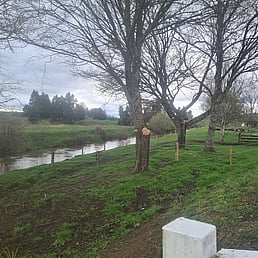
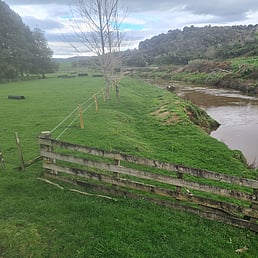
The Piopio Domain has been enhanced with support from King Country River Care.
A 1.5km stretch of fencing, including high-visibility electric tape, has been installed to exclude stock from waterways. In addition, 2,000 native plants—sourced from and planted with Waiora Rivercare—have been established to help stabilise stream banks and, over time, provide shelter for stock.Unwanted trees have also been removed to improve the site.
Thank you to everyone involved in this project.
Pilot Study [2023-2024]
King Country River Care (KCRC) are helping their farmers better understand the concept of achieving/creating “carbon neutral” farm operations with the use of “pilot farms” from within the KCRC catchment.
Project Background:
1. Use three real farmers in our area to investigate:
Where they are now.
Will any policy changes, they are thinking about, get them to a carbon neutral position?
If relevant what else might need to be considered?
Dairy and sheep/beef.
Breeding cows.
Hill country.
Our next generation.
Exploring "Carbon Neutral"
Dairy
Piopio.
Self contained dairy operation
Sheep and Beef System 01.
Oparau.
Pasture and Bush.
Sheep and Beef System 02.
Piopio.
Pasture & Bush
The on-farm field days share the results and summary findings to:
a. Discuss what is meant by “carbon neutral” considering the NZ Government rules, alongside other in-market interpretations.
b. Share the modelling results of the three existing farm operations that calculated their existing environmental KPIs, GHG emissions (CH4, N2O and CO2), sequestration and profitability.
c. Discuss the modelling results of different on-farm actions that will reduce emissions and then quantify the impacts of these to get to “carbon neutral” and their combined impact on the farm business.
Pilot Study [2022]
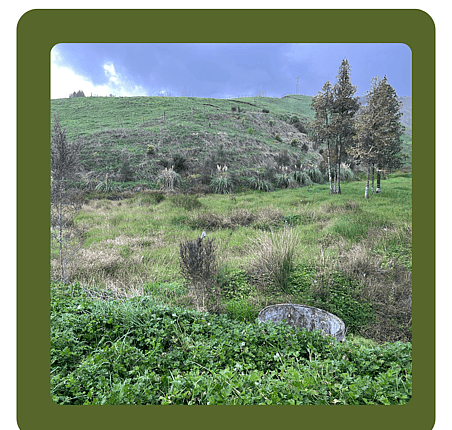
Establishing low-cost, forest-grade native seedlings is a key focus for King Country River Care. Current native planting costs can reach around $20,000 per hectare, which is a significant barrier—particularly when compared to the strong financial incentives for planting pine forests for carbon credits.
KCRC is actively exploring practical options to support more cost-effective native establishment, with the aim of making it a more viable and attractive choice for landowners while still delivering long-term environmental benefits.
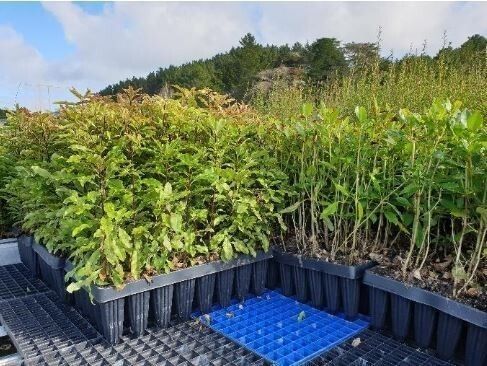
Establishing low-cost forest grade native seedlings
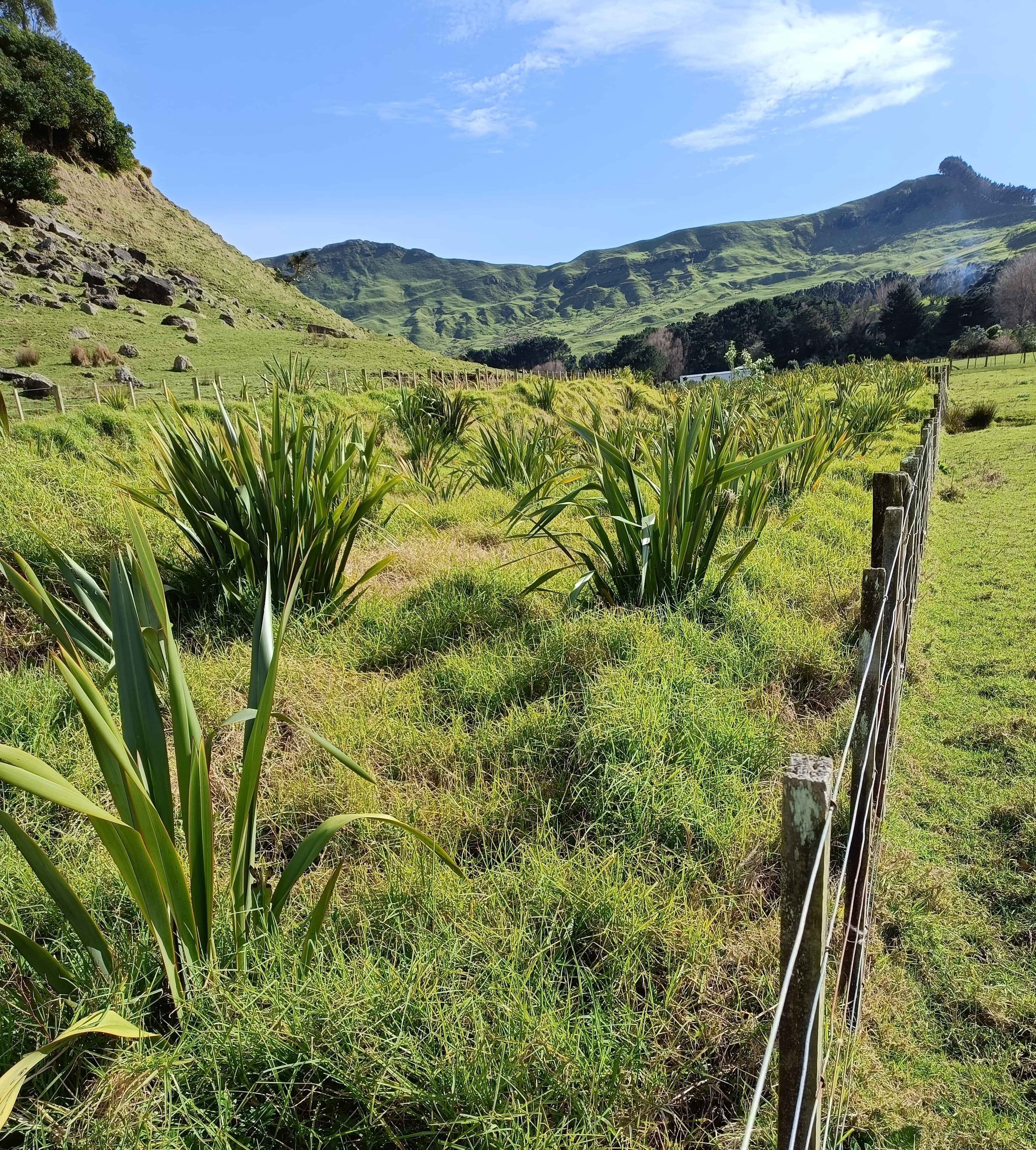
Pilot Project [2022 - on going]
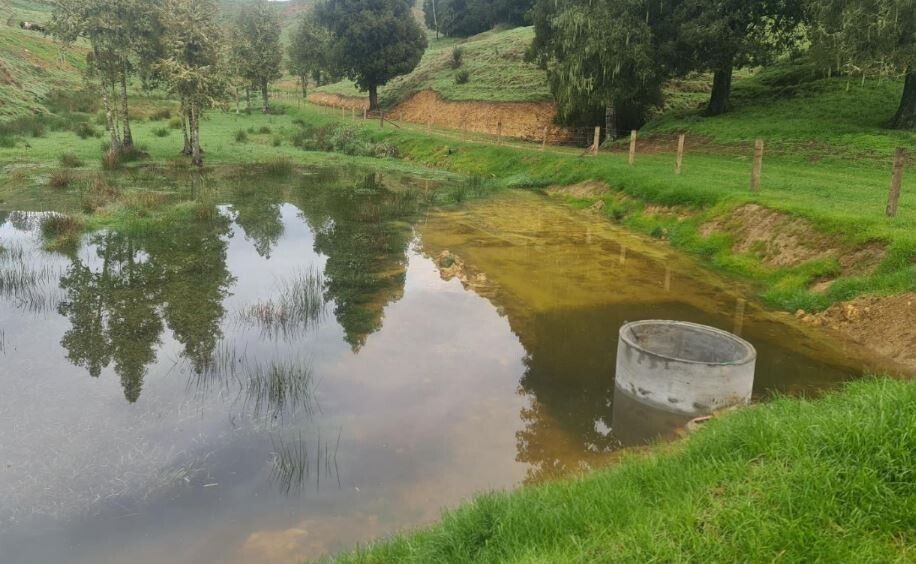
Sediment traps have long been used in hill country farming to reduce sediment loss from tracks and erosion-prone areas. Despite their widespread use, there is limited research on how effective they are or what design works best.
Through the Our Land and Water National Science Challenge, three farmers—Nelson, Foss, and Proffit—constructed sediment traps on their Aria farms. Working alongside Massey University, they monitored how much sediment was captured to better understand performance in real farm conditions.
This project aimed to develop a small, practical solution that farmers can easily implement to help improve water quality on-farm. The insights gathered during the construction phase are summarised in this guide.
Sediment Traps & Detainment Bunds